Introduction
When it comes to maintaining a lush, green lawn, there’s more to it than just regular watering and mowing. Pests can wreak havoc on your yard, turning your dream landscape into a nightmare. But don't fret! With the right knowledge Lawn Care in Valrico FL and strategies, you can keep your lawn healthy and pest-free. In this article, we’ll dive deep into effective pest control tips from Tarpon Lawn & Pest, focusing on how to keep your Valrico lawn safe.
Pest Control Tips from Tarpon Lawn & Pest: Keeping Your Valrico Lawn Safe
In the heart of Florida, the climate is as inviting as it is challenging for homeowners trying to maintain their lawns. While the warm weather promotes growth, it also creates an ideal environment for pests. To ensure your lawn remains a sanctuary rather than a breeding ground for pests, follow these expert tips from Tarpon Lawn & Pest.
Understanding Common Lawn Pests in Valrico
1. Recognizing Pests
To effectively manage pests, it's essential first to identify them. Common pests in Valrico include:
- Grubs: These larvae feed on grass roots. Chinch Bugs: They suck sap from grass blades. Armyworms: These caterpillars consume large patches of grass.
2. The Damage They Cause
Understanding the damage these pests can inflict is critical for timely intervention. Grubs can cause brown patches; chinch bugs may lead to wilting grass; armyworms can defoliate entire sections of your lawn overnight.
Prevention Strategies for Your Lawn
3. Regular Lawn Maintenance
A well-maintained lawn is less susceptible to pest infestations. This includes:
- Mowing at the right height Regular watering schedules Fertilization based on soil tests
4. Soil Health: The Foundation of a Strong Lawn
Healthy soil leads to robust grass that can withstand pest attacks. Consider conducting soil tests and amending your soil with organic matter or appropriate fertilizers.
Integrated Pest Management (IPM)
5. What is IPM?
Integrated Pest Management is an eco-friendly approach that combines multiple strategies for controlling pests while minimizing risks to human health and the environment.
6. Monitoring and Assessment
Regularly inspect your lawn for signs of pest activity. Early detection allows for timely action before infestations escalate.
Biological Control Methods
7. Beneficial Insects
Encourage beneficial insects like ladybugs and lacewings in your garden as they prey on harmful pests.
8. Natural Predators
Consider introducing nematodes into your soil; these microscopic worms can help control grubs without harming your grass.
Chemical Control Options
9. When to Use Pesticides?
If pest populations exceed acceptable levels despite other control methods, consider using pesticides as a last resort.
10. Choosing the Right Products
Always opt for pesticides that are specifically labeled for use on lawns and follow all instructions carefully.
Seasonal Considerations in Valrico
11. Spring Spruce-up: Preparing for Pests Early
Spring marks the beginning of pest season; thus, early intervention is key:
- Aerate your lawn Apply pre-emergent herbicides Fertilize appropriately
12. Summer Vigilance: Managing Established Pests
During summer months when pests are most active:
- Maintain proper irrigation Increase mowing frequency Inspect regularly for signs of infestation
Watering Techniques That Deter Pests
13. Timing is Everything!
Watering early in the morning minimizes moisture retention at night when many pests are most active.
14. Deep vs Shallow Watering
Deep watering encourages robust root systems which help grasses endure stress better than shallow watering does.
Fertilization Practices That Bolster Resistance Against Pests
15. Understanding Nutrient Needs
Different grasses have varying nutrient requirements; always tailor your fertilization based on specific needs identified through testing.
16: Organic Options: A Safer Route
Explore organic fertilizers derived from plant or animal sources which improve soil health without introducing harmful chemicals into the environment.
17: Timing Your Treatments
Plan fertilization around peak growing seasons to maximize benefits while mitigating potential stressors on plants due too much nitrogen during vulnerable periods like droughts!
Frequently Asked Questions (FAQs)
1. How often should I apply pesticides?
It depends on the severity of infestation but generally not more than once every few weeks unless specified otherwise by product guidelines!
2.What’s the best way to identify what type of pest I have?
Consult local extension offices or online resources that provide images alongside descriptions—this will help narrow down possibilities quickly!
3.Can I combine chemical treatments with natural remedies?
Yes! But be careful about timing—some combinations could counteract each other if applied too close together!
4.Should I treat my entire yard if I only see one damaged area?
Not necessarily! Targeted treatments often yield better results without wasting resources unnecessarily across unaffected areas.
5.Is professional pest control worth it?
Absolutely—trained professionals possess specialized knowledge about regional ecosystems ensuring effective solutions tailored specifically towards conditions unique within Florida’s climate zones!
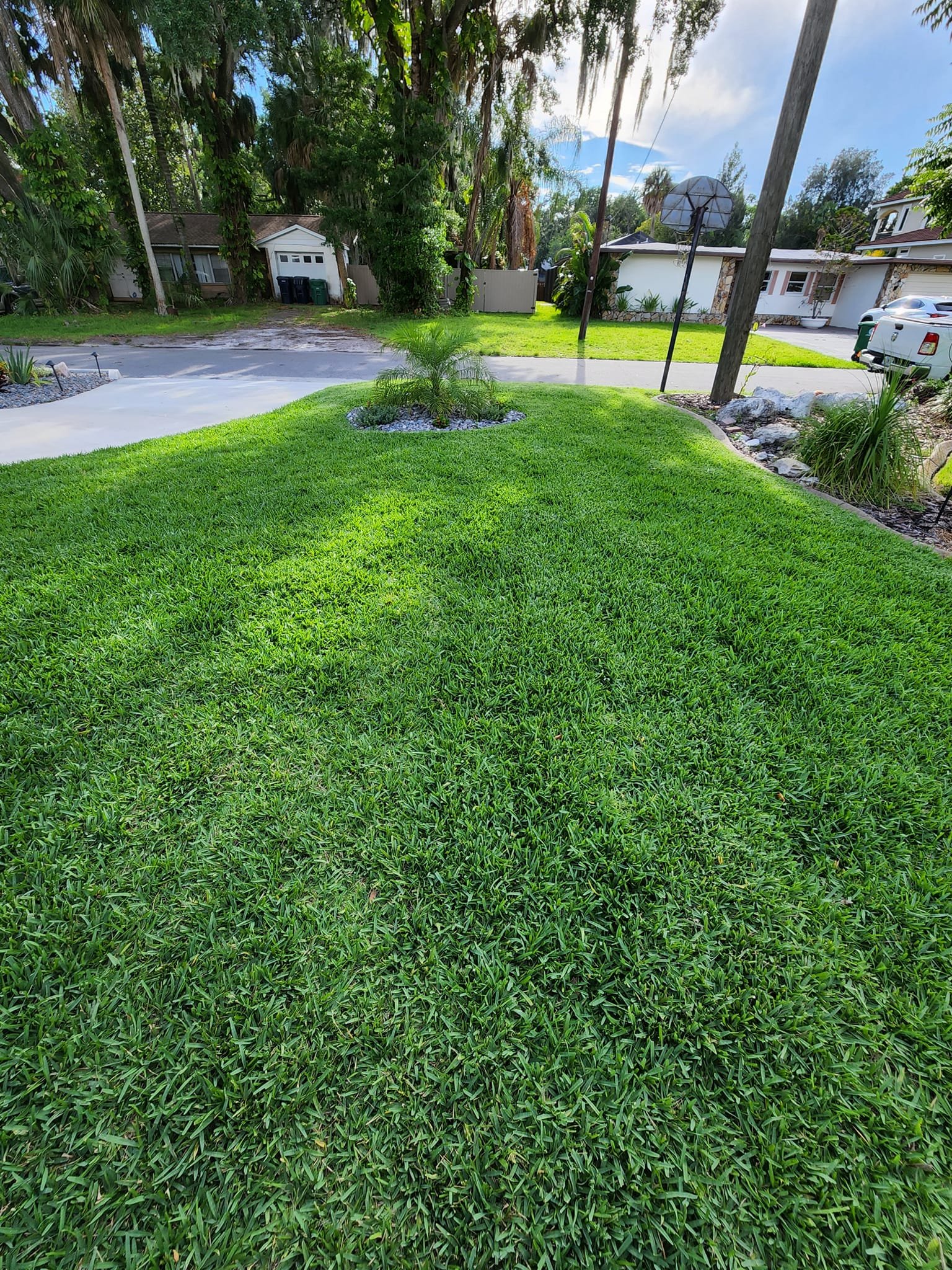
6.How do I know if my lawn is healthy enough to resist pests naturally? Signs include vibrant color throughout foliage consistent thickness without bare patches showing up anywhere—regular maintenance practices play an essential role here too!
Conclusion
Maintaining a healthy lawn in Valrico requires vigilance, knowledge, and effort—but with the right strategies from Tarpon Lawn & Pest, you can create an environment that both you and nature will appreciate! By understanding common pests and employing Lawn Care in Valrico FL prevention methods like regular maintenance, seasonal adjustments, biological controls, and careful pesticide use when necessary—you’ll foster resilience against invaders while keeping aesthetics intact!
So why wait? Start implementing these pest control tips today so you can enjoy a beautiful outdoor sanctuary all year round!